
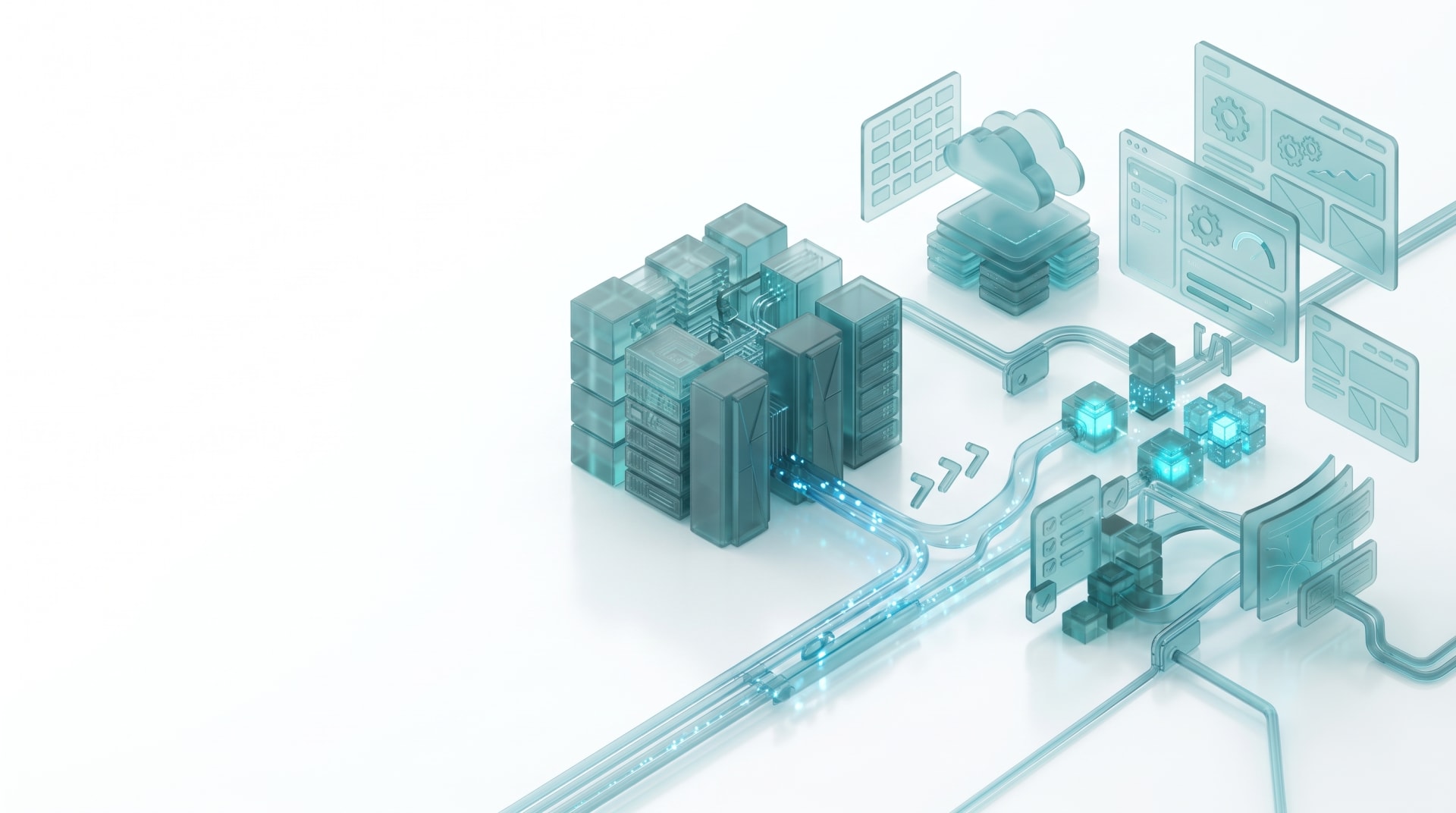

Platform Modernization
Modernize existing applications and connected systems to address technical constraints, improve integration, and support changing business requirements, without losing sight of the operations that depend on them.

When Existing Systems Need to Evolve
Your existing systems may still support essential business operations, but changes in requirements, integrations, or architecture can make them harder to maintain and extend.
When Modernization Becomes A Priority
Platform modernization helps you address architectural constraints, improve how systems work together, and establish a technical foundation aligned with where your business needs to go.
Your Systems Are Becoming
Harder To Maintain
Legacy code, outdated dependencies, or architectural limitations make changes more difficult to implement and support.
Your Applications
Operate In Isolation
Disconnected platforms and fragmented data create additional manual work, inconsistent information, or limitations in how your teams operate.
Your Business Requirements
Have Changed
Your existing systems need to accommodate new functionality, integrations, security requirements, or evolving operational needs.
What We Can Modernize
We work with existing applications and connected systems to address the limitations affecting their use, maintenance, and continued development.
Legacy Applications
Improve existing applications by addressing technical debt, outdated dependencies, and architectural constraints that complicate ongoing development.

Application Architecture
Refine system structure and technical foundations to support maintainability, integration, and future changes.
Connected Business Systems
Connect applications and platforms through APIs and integration workflows, reducing fragmentation and improving information flow.

Data & Application Migration
Plan and implement migrations involving applications, data, or infrastructure according to the existing environment and business requirements.

Cloud & Infrastructure Components
Modernize relevant infrastructure and deployment arrangements where they support the required architecture, operational needs, and technical direction.

Architecture, Integrations & Migration
Modernization starts with understanding how your existing environment works and what must remain reliable throughout the change.
System Dependencies
Understand how applications, databases, integrations, and third-party services depend on one another before making architectural changes.
Integration & Data Flows
Identify how information moves across systems, where connections need improvement, and how data consistency will be maintained.
Migration Planning
Define the scope, dependencies, validation requirements, and transition approach for moving applications, data, or infrastructure.
Technical Roadmap
Prioritize changes according to business requirements, technical constraints, operational risk, and the need to keep future development manageable.
How We Approach Platform Modernization
Assess the Existing Environment
We review the relevant applications, architecture, integrations, dependencies, and operational requirements to understand the current constraints. We identify architectural friction and technical debt to ensure future adjustments safeguard live business workflows.
A shared understanding of the existing system, its dependencies, and the areas requiring attention.
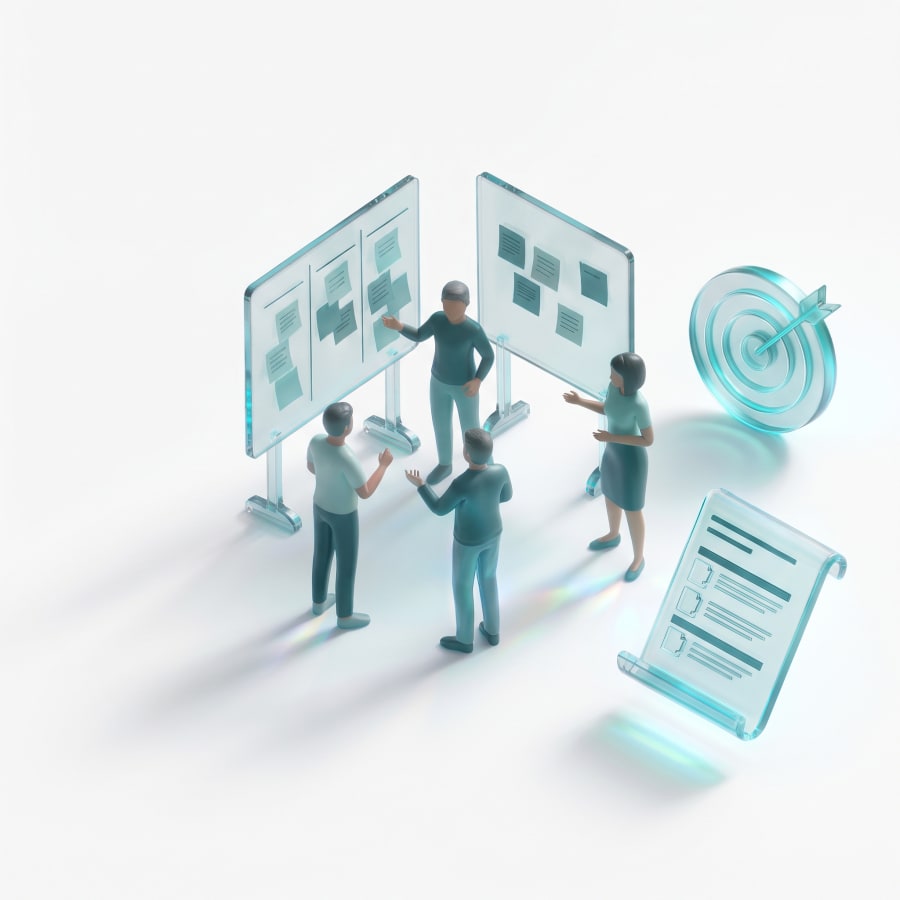
Modernization That Addresses Real Technical Requirements
Explore how legacy refactoring, decoupled architectures, and carefully planned cutovers address technical debt while minimizing operational disruption.
View All Case StudiesReliability, Security & Business Continuity
Modernization needs to account for the systems and information your business already relies on. Changes should be planned and validated against the operational requirements of the environment.
Data Protection & Access
Consider access permissions, sensitive information, data handling, and relevant security controls throughout the modernization work.
System Reliability
Validate critical workflows, integrations, and dependencies affected by the changes, with testing aligned to the risks and requirements of the system.
Migration & Continuity
Plan transitions, data validation, recovery considerations, and operational dependencies according to the environment and the agreed migration approach.
Maintainability
Address architectural constraints and technical debt that complicate ongoing maintenance, integrations, or further development.
What To Expect From Delivery
The engagement establishes the modernization scope, the changes being made, how they will be validated, and what your team receives.
Assessment & Planning
- >Findings on the relevant existing systems and constraints
- >Defined modernization scope and priorities
- >Agreed technical approach and validation criteria
Modernization & Integration
- >Application or architectural changes within the agreed scope
- >Required system integrations or migration work
- >Technical issues addressed as part of implementation
Validation & Transition
- >Testing of affected workflows and integrations
- >Validation of relevant data and system behaviour
- >Identified issues addressed against agreed criteria
Documentation & Handover
- >Documentation of the delivered changes
- >Relevant technical and deployment information
- >Agreed transition and handover materials
Ongoing Evolution
- >Post-transition maintenance and monitoring
- >Issue resolution and system stability support
- >Further modernization as roadmap requirements evolve

Let's Discuss Your Existing Systems
Tell us which systems you need to improve, how they support your operations, and what you need them to do next.